FREETOWN, OCT. 16th (SALONE TIMES) –
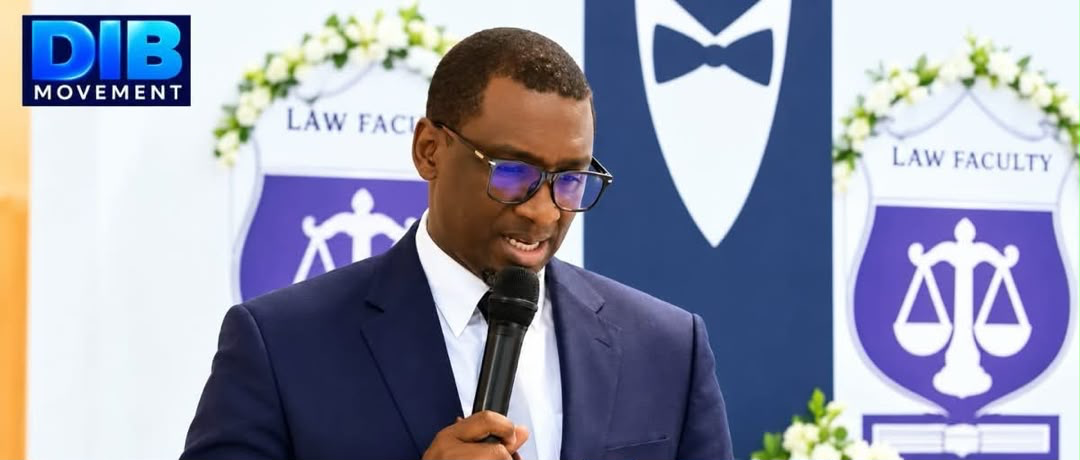
Dr Ibrahim Bangura, a leading All People’s Congress (APC) flagbearer aspirant, has called for justice, accountability and the rule of law as essential pillars of democracy and strong institutions, particularly in developing democracies such as Sierra Leone.
Speaking on democracy and strong institutions, Dr Bangura emphasised that the existence of laws and courts does not automatically guarantee justice, noting that justice gives the law its true meaning.
“Law without justice is bureaucracy. Justice without law is chaos, but together, they are hope,” he stated.
Reflecting on Sierra Leone’s history of civil war, exploitation and injustice, Dr Bangura cited the establishment of the Special Court for Sierra Leone and the Truth and Reconciliation Commission as important examples of accountability, reconciliation and healing.
He stressed that the law must protect citizens rather than be used as a weapon against them, arguing that justice should be accessible to everyone, regardless of their social or economic status.
Dr Bangura also challenged the notion that democracy is defined solely by elections, maintaining that genuine democracy depends on respect for human dignity, the protection of fundamental rights, institutional accountability and equal access to justice.
He warned that when citizens lose confidence in the justice system, they may stop reporting crimes, resort to settling disputes outside the courts and disengage from civic participation, creating conditions that could undermine democratic governance.
According to him, democracy must be reflected in the daily lives of citizens through respect for human rights, fair trials, due process and accountability for those in positions of authority.
Dr Bangura concluded with a call for governments, legal institutions and citizens to uphold the rule of law and ensure that justice remains accessible, independent and principled, even when doing so comes at a cost.
He described justice as more than punishment, emphasising its restorative role in promoting healing, reconciliation and lasting peace in post-conflict societies.