FREETOWN, OCT. 16th (SALONE TIMES) –
By Marilyn King
The Food and Agriculture Organization of the United Nations (FAO), in collaboration with the Government of Sierra Leone and development partners, is preparing to implement a three-year, $13 million oil palm value chain project aimed at improving agricultural productivity, strengthening food and nutrition security, and increasing incomes for approximately 43,000 beneficiaries across four districts in Sierra Leone.
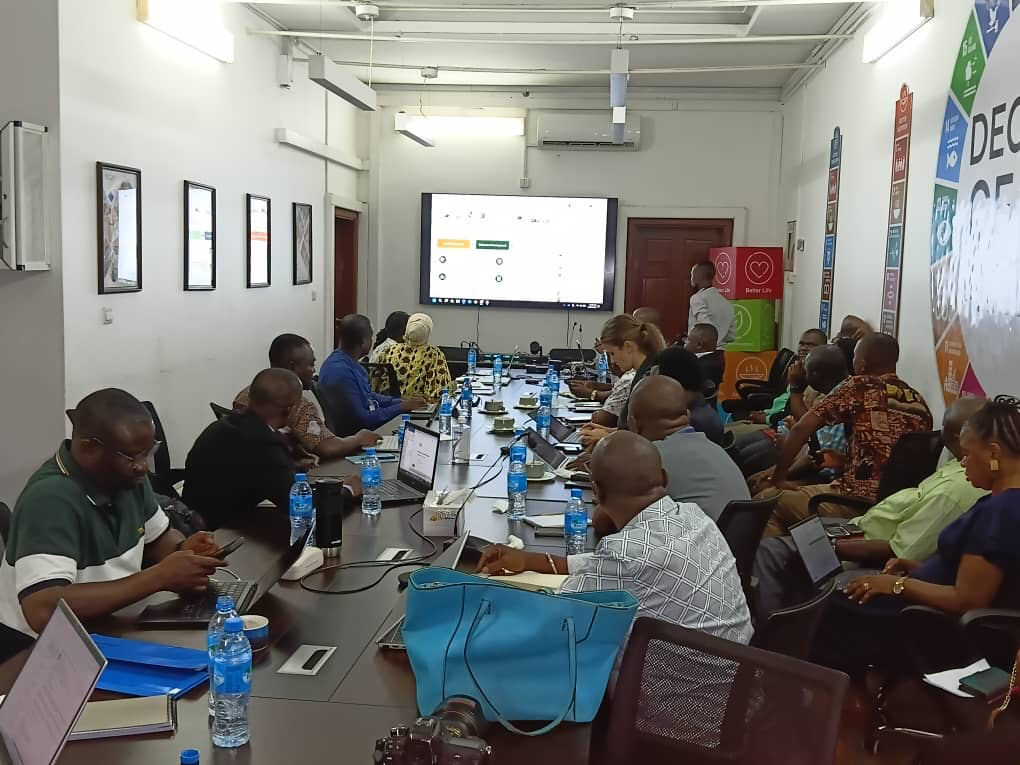
The European Union-funded initiative was highlighted during an Operational Partners Agreement (OPA) orientation session held at the FAO office in Freetown on October 13, 2026. The session brought together implementing partners to clarify their roles and responsibilities ahead of the project’s full implementation.
The project will target oil palm farming communities in Kenema, Bonthe, Koinadugu and Port Loko districts, focusing on improved production, processing, market access and employment opportunities, particularly for women and young people.
Jean Bosco Nzitunga, International Operations Specialist at FAO Sierra Leone, said the project seeks to address longstanding challenges in the oil palm sector, including ageing plantations, low yields, inadequate agricultural extension services, inefficient processing methods and limited access to finance.
He explained that the initiative would support farmers in replacing ageing oil palm trees with improved, higher-yielding seedlings while strengthening their capacity to adopt modern, climate-smart farming techniques and more efficient processing practices.
Nzitunga added that the project would support the establishment of processing facilities in the four target districts and strengthen local capacity to produce quality oil palm seedlings. Five implementing partners have been selected to deliver specific project outputs, including activities focused on nutrition.
He said FAO was orienting the implementing partners on project arrangements ahead of the full rollout. Although preparations had taken longer than anticipated, he noted that the initiative was now moving towards implementation, with partners expected to receive initial funding to commence activities in targeted communities.
Sallay Koker, National Coordinator of the World Bank-supported Value Chain Investment Project, said the initiative was designed to develop a productive, inclusive, climate-resilient and market-oriented oil palm sector capable of improving livelihoods, generating income and creating employment opportunities.
She noted that despite the widespread cultivation of oil palm in Sierra Leone, many farmers continue to experience low yields because of ageing plantations, limited access to climate-smart agricultural advice and inefficient processing practices that contribute to significant post-harvest losses.
Koker said the project would encourage farmers to replant old plantations, use improved seedlings and adopt climate-smart agricultural practices to increase production and strengthen the sector’s resilience to climate change.
Access to finance is another key component of the initiative. According to Koker, the project will promote a sustainable financing model combining grants and loans to support agricultural enterprises and other businesses operating along the oil palm value chain.
Under the proposed arrangement, the United Nations Capital Development Fund (UNCDF) is expected to manage a blended-finance facility targeting youth-led enterprises in the sector. The financing model is expected to comprise 70 per cent loans and 30 per cent grants, alongside subsidised interest rates.
The initiative is also expected to improve food and nutrition security, strengthen market linkages, enhance processing capacity and create economic opportunities for women and young people engaged in oil palm production and related businesses.
Its broader objectives include improving product quality, strengthening institutional capacity and promoting environmentally responsible production practices to support the long-term sustainability of the oil palm sector.
As part of preparations for implementation, the OPA orientation session is intended to establish a common understanding among implementing partners of their respective responsibilities, workplans, procurement procedures, financial management requirements, environmental and social safeguards, and reporting obligations.
The session is expected to strengthen coordination and accountability while supporting the timely delivery of project activities, ensuring that planned interventions translate into tangible benefits for farming communities.
Koker expressed hope that additional funding could be secured to sustain and expand the project’s impact beyond its initial three-year implementation period.
Also speaking at the orientation session, Wuyango Harding of FAO said the engagement was intended to ensure that implementing partners clearly understood the modalities governing the Operational Partners Agreement and the procedures required for effective implementation.
Harding said the orientation was particularly important because several new partners had joined the project, making it necessary to clarify their responsibilities and ensure compliance with FAO’s requirements.
He described the initiative as an opportunity for partners to demonstrate their capacity to manage agreements effectively and build FAO’s confidence in engaging them in future partnerships.
Harding encouraged participants to ask questions, seek clarification on documentation and implementation procedures, and maintain communication with FAO beyond the orientation session.
By the end of the three-year implementation period, the project is expected to contribute to a more productive, competitive and climate-resilient oil palm sector in Sierra Leone, characterised by improved agricultural yields, reduced post-harvest losses, stronger processing and market opportunities, increased household incomes and more sustainable livelihoods for farming communities.