By Sahr Ibrahim Komba
The Human Rights Commission of Sierra Leone (HRCSL) has issued a stark warning over the worsening state of the country’s correctional facilities, revealing widespread overcrowding, long detention periods without trial, and persistent rights violations. The findings were part of the Commission’s Human Rights Behind Bars report, presented after a nationwide monitoring exercise conducted from 2–24 September 2025 across 20 correctional centres.
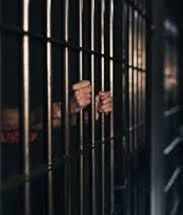
Executive Secretary of HRCSL, Joseph Kamara, said the centres collectively held 5,476 inmates more than double their total capacity of 2,009. In some facilities, the situation was described as “inhumane,” with one cell crammed with 70 prisoners. Kamara explained that the system is overwhelmed largely due to prolonged trials, stalled indictments, frequent court adjournments, and the limited presence of resident High Court judges in several districts.
The Commission documented cases of extreme delays in justice delivery some detainees had been held for over a year without indictment, while one inmate in Makeni had spent three years in pre-trial detention. HRCSL said such delays not only violate national laws but also breach international human rights standards that Sierra Leone has committed to uphold.
In addition to overcrowding, the report identifies severe shortages of essential supplies. Many centres lacked adequate bedding, clothing, and sanitary facilities. Inmates complained of poor nutrition, inconsistent water supply, and overcrowded sleeping arrangements that increased the risk of disease outbreaks. Healthcare services for inmates and officers were also severely limited, with some centres lacking full-time medical staff.
HRCSL noted that educational and rehabilitative opportunities were almost non-existent. Only two female facilities offered vocational training, while formal education was available in just one male correctional centre. No institution had an established reintegration programme, leaving released inmates with little support to rebuild their lives a gap the Commission warned could fuel reoffending.
The report calls for urgent reforms by the Sierra Leone Correctional Service (SLCS), including improved medical coverage for staff, adequate food and bedding provisions, expanded training and educational programmes, and coordinated reintegration strategies to support inmates upon release.
UNDP representative Mr. Alie B. Sesay praised HRCSL for confronting issues that are “sensitive but essential” for strengthening human rights, justice, and the rule of law. He described the report as timely and said it provides a critical roadmap for policymakers.
“This is a true test of our justice system,” Sesay said. “It is not only reflected in courtrooms or laws, but in how we treat those behind bars.”
Sesay commended Sierra Leone’s progress, including the repeal of the Criminal Procedure Act of 2024 and ongoing governmental efforts to reduce overcrowding. However, he stressed that correctional facilities across sub-Saharan Africa face similar systemic challenges overstretched infrastructure, inadequate services, and limited state capacity. Addressing these issues, he said, is fundamental to strengthening peace, enhancing public trust, and promoting long-term stability.
The UNDP, he reaffirmed, is working with authorities to improve sanitation within correctional centres and support vocational and life skills training for inmates. He called for consistent political will, stronger institutional collaboration, and wider donor support for rehabilitation and reintegration initiatives.
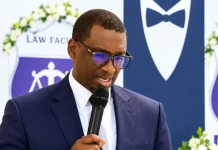
Delivering the keynote address, the Deputy Minister of Internal Affairs Mr David Fortune noted that government has made substantial progress in improving conditions in detention centres, though challenges remain. He said the amendment of the Criminal Procedure Act of 2024 aimed at expediting trials and the construction of new correctional facilities in Mafanta and Waterloo are key steps toward easing overcrowding.
He also revealed that the judiciary has expanded the deployment of High Court judges to additional districts to speed up case hearings and reduce long pre-trial detentions. The Deputy Minister praised HRCSL for its thorough work and assured the public that government will examine the report’s findings and commit to addressing the highlighted problems.
A representative from AdvocAid expressed deep concern about the presence of children living with incarcerated parents a practice she said violates the rights and dignity of the children involved.
“Children are not supposed to be behind bars. They committed no offence, yet they are subjected to the same harsh environment as inmates,” she said. She added that many of these children are not adequately cared for, despite being included in government budgets.
AdvocAid urged the government and development partners to prioritise the removal and protection of children living in correctional centres. The organisation further highlighted the lack of medical care, mental health support, and essential services for inmates, calling these gaps severe human rights violations.
The representative emphasized that many inmates are willing to reform and reintegrate, but require humane treatment, proper care, and respect from prison authorities. She urged SLCS officers to uphold professional standards and treat inmates with dignity.