By Sahr Ibrahim Komba
Tribal authorities across the Western Area Rural District are calling for greater recognition and inclusion in local governance, decrying their marginalization under the current Local Government Act of 2022.
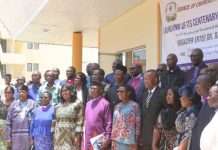
At a recent high-level meeting of over 20 tribal heads and key stakeholders, traditional leaders expressed frustration over being sidelined in decision-making processes, with only four heads representing Waterloo, York, Koya, and Mountain – officially recognized by the Western Area Rural District Council.
“We are not fighting for power but for rightful recognition and partnership,” said Chief Tamba S. Lebbie, a respected tribal elder and former Plan International Coordinator. “Tribal heads have long supported peacefully resolving conflict and dialogue resolution in their communities. That contribution must be acknowledged.”
Councilor Abubakar “Jeff” Kumara responded to the concerns, recognizing the value of tribal heads in community cohesion but clarifying that the council’s actions are bound by the provisions of the 2022 Local Government Act.
This was a decision made by the government and outlined in the Act. As a council, we cannot violate the law,”Kamara stated.He pledged to consult with the Council’s Chairman and explore avenues for collaboration with tribal leaders. The Councillor also assured that tribal heads will be involved in the next local level of development initiatives. “Your role in maintaining peace and stability cannot be overemphasized,” he added.
Chief Pa Alimamy Kumara Betteneh, Tenme Tribal Head and Secretary General of the Sub-Tribal Union, emphasized that the union is formally registered with the Ministry of Social Welfare, with a mandate to advocate for tribal interests. He criticized the selective engagement of Sub-Tribal by the National structures especially the National Council of Tribal Heads.Stating “They only involve us when they need numbers-it’s unfair and disrespectful”.
He also raised concerns about exclusion – when it’s unfair and disrespectful.
Chief Betteneh cited a recent exclusion from the Development Planning Committee, stressing that tribal leaders can offer closer ties to grassroots and can identify qualified individuals for job opportunities and ensure fair tax mobilization.
Chief Safer Kai, another prominent leader, called for unity between tribal authorities, stating, “There will be no peace without unity. Between headman and tribal heads And without peace, there will be no development.”
The Western Area Rural District is home to 16 ethnic groups, all represented under the umbrella of the Council of Tribal Heads. These traditional governance systems – once predate Sierra Leone’s independence – have historically played critical roles during national emergencies, including the Ebola and COVID-19 crises.
As debates continue over governance and legal reform, tribal heads reaffirm their commitment to working with local authorities to build a more inclusive, peaceful, and development-oriented district.